Patterns with Hockey Helmet: A Unique Design Element for Creative Projects
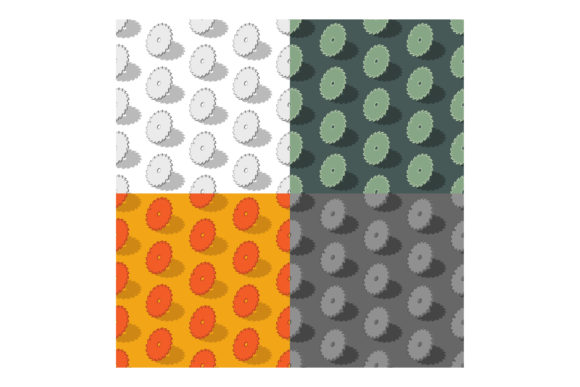
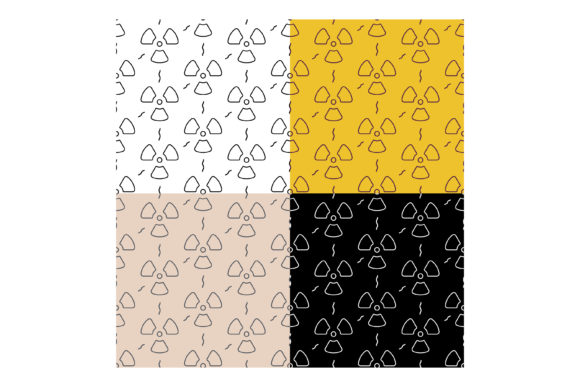
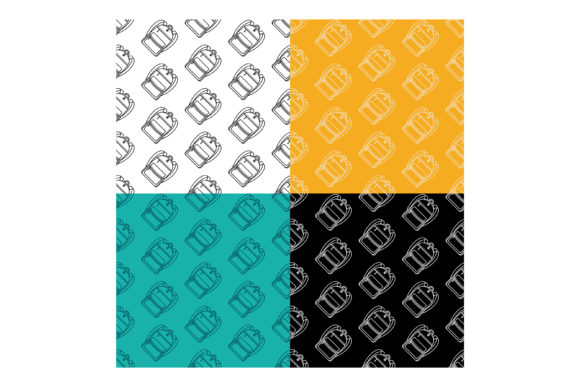
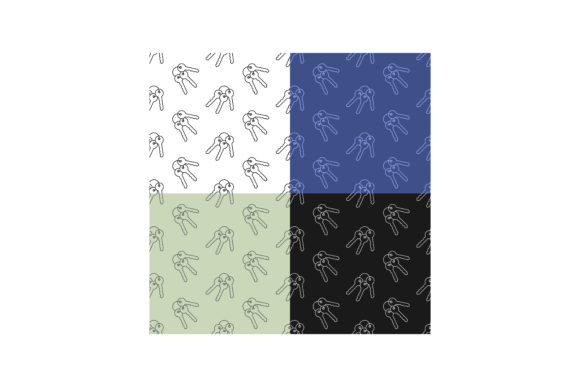
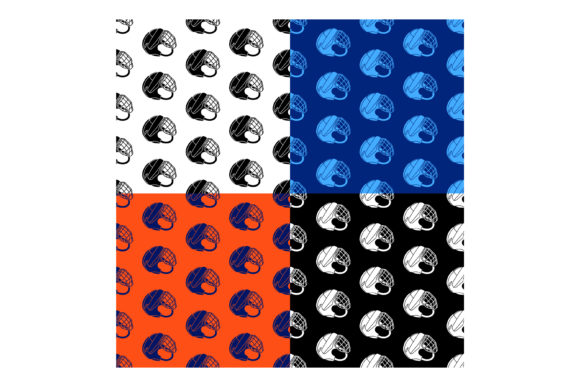
Patterns with Hockey Helmet have become a popular choice for designers, artists, and manufacturers looking for distinctive visual elements. These patterns often feature the iconic shape of a hockey helmet combined with a protective grill, creating a striking design that can be used in various applications. Whether for fabric printing, decorative art, or branding, these patterns offer a blend of functionality and aesthetic appeal.
What Makes Patterns with Hockey Helmet Distinct?
Patterns with Hockey Helmet stand out due to their unique combination of sports imagery and artistic design. The hockey helmet, a symbol of ice hockey, is often stylized with intricate details such as team logos, color gradients, and graphic elements. The protective grill adds a mechanical or industrial feel, making the pattern versatile for different themes.
The use of vector graphics ensures that these patterns remain scalable without losing quality. This makes them ideal for both digital and physical applications. Additionally, seamless patterns allow for continuous repetition, which is particularly useful in textile design, wall coverings, and packaging.
Comparing Patterns with Hockey Helmet to Similar Options
When compared to other types of patterns, such as geometric, floral, or abstract designs, Patterns with Hockey Helmet offer a more specific and thematic approach. While geometric patterns provide structure and order, and floral patterns evoke nature and softness, hockey helmet patterns bring a sense of action, sport, and edginess.
In the context of protective gear, these patterns are distinct from traditional sports motifs. For example, while many sports-themed designs focus on team emblems or player silhouettes, hockey helmet patterns emphasize the equipment itself, highlighting its role in safety and performance.
For those exploring alternatives, similar options might include patterns featuring other types of headgear, such as motorcycle helmets or construction hard hats. However, these alternatives tend to have a different visual language and may not carry the same association with sports and competition.
Strengths and Tradeoffs of Using Patterns with Hockey Helmet
One of the main strengths of Patterns with Hockey Helmet is their ability to convey a strong visual identity. They are highly recognizable, especially among fans of ice hockey, and can be used effectively in branding, merchandise, and promotional materials. Their detailed design also allows for customization, enabling creators to adapt the pattern to specific needs.
However, there are tradeoffs to consider. The specificity of the design may limit its appeal to a broader audience. While some viewers may find the hockey helmet motif exciting, others may not connect with it, depending on their interests or cultural background. Additionally, the complexity of the pattern could make it less suitable for minimalist or modern design styles.
Another consideration is the availability of high-quality resources. Not all design platforms may offer a wide range of seamless patterns with hockey helmets, which could require additional effort to source or create custom designs.
Best-Fit Situations for Patterns with Hockey Helmet
Patterns with Hockey Helmet are best suited for projects that aim to incorporate a sports-related theme or a bold, dynamic aesthetic. They work well in environments where energy and movement are key, such as in athletic wear, event signage, or themed interiors.
For instance, a clothing brand targeting young adults who enjoy sports might use these patterns on t-shirts, hoodies, or accessories to create a strong visual identity. Similarly, a sports bar or fan shop could use the patterns on wall art, tablecloths, or banners to enhance the atmosphere.
In the realm of fabric design, these patterns can be used for upholstery, curtains, or home decor items, adding a touch of sporty flair to any space. Their seamless nature also makes them ideal for large-scale prints, such as banners or floor coverings.
When to Consider Alternatives to Patterns with Hockey Helmet
There are scenarios where alternative patterns may be more appropriate. For example, if the goal is to create a more universal or timeless design, a simpler or more abstract pattern might be a better fit. Similarly, if the project requires a subtle or understated look, the boldness of a hockey helmet pattern could be overwhelming.
For businesses that cater to a diverse audience, using a pattern that is less specific to a particular sport or culture might be more inclusive. In such cases, patterns inspired by nature, technology, or architecture could serve the purpose more effectively.
Additionally, when working within tight budget constraints, sourcing pre-made patterns may not always be feasible. In these instances, creating custom designs or using free-to-use alternatives could be more practical.
Practical Examples and Use Cases
Consider a designer looking to create a line of children’s toys. A pattern featuring a hockey helmet could be used on plush toys or play mats, adding a fun and recognizable element. However, if the target audience is younger children, a more colorful and cartoonish design might be more engaging.
Another example is a graphic designer working on a campaign for a local ice hockey team. Incorporating Patterns with Hockey Helmet into posters, social media assets, or uniforms could help reinforce the team’s identity. However, if the campaign is aimed at a wider demographic, a more neutral or adaptable design might be necessary.
In the world of fashion, a designer might use these patterns on a jacket or bag to create a statement piece. The contrast between the rugged helmet design and the sleek fabric could result in a visually striking outcome. Yet, for a more casual or everyday garment, a simpler pattern might be more suitable.
Conclusion: Making an Informed Decision
Patterns with Hockey Helmet offer a unique and compelling option for those seeking to incorporate sports-inspired design elements into their work. Their distinct visual style, scalability, and versatility make them a valuable resource in various creative fields.
However, the decision to use these patterns should be based on the specific needs of the project, the target audience, and the overall design goals. By considering the strengths, limitations, and alternatives, creators can make a more informed choice that aligns with their vision and objectives.