Fall Seamless Patterns Digital Papers: A Practical Guide for Creative Professionals
If you're looking to add a touch of autumnal elegance to your projects, Fall Seamless Patterns Digital Papers can be an invaluable resource. These digital assets offer a versatile way to incorporate seasonal aesthetics into everything from marketing materials to personal crafts. However, many users overlook critical details that can impact the effectiveness and quality of their work. Understanding what to look for—and what to avoid—can make all the difference.
What Are Fall Seamless Patterns Digital Papers?
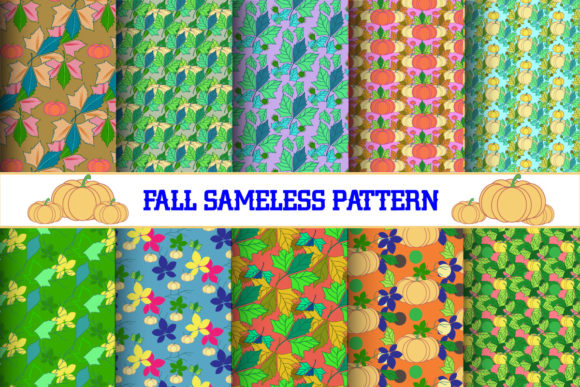
Fall Seamless Patterns Digital Papers are high-quality, repeatable design elements that capture the essence of autumn. They often feature motifs like leaves, pumpkins, branches, and cozy textures, designed to seamlessly tile across surfaces without visible seams. These patterns are ideal for creating backgrounds, stationery, packaging, and more. The This is Fall Sameless Patterns Digital Paper design, for instance, offers a cohesive collection that can be used in both professional and personal contexts.
With 100 editable vector files included, these digital papers provide flexibility for customization. You’ll receive files in multiple formats, including EPS, PNG, SVG, and PDF, ensuring compatibility with various design software and platforms.
Misunderstandings About Digital Paper Quality
One common mistake is assuming all digital papers are created equal. Some users may purchase low-resolution files or those with poor color accuracy, leading to unprofessional results. When working with Fall Seamless Patterns Digital Papers, it's essential to verify the resolution and color profile. For print projects, a minimum of 300 DPI is recommended, while web use typically requires 72 DPI.
Another misconception is that seamless patterns are always easy to use. In reality, some designs may have subtle breaks or inconsistencies that become visible when tiled. Always preview the pattern at different sizes and on various backgrounds before finalizing your project.
Why Vector Files Matter
Vector files like EPS and SVG allow for scalable, high-quality output without loss of detail. This is especially important if you plan to use the patterns in both print and digital formats. However, not all users understand how to edit or manipulate vector files. If you're new to design software, consider learning basic vector editing techniques or hiring a professional for complex adjustments.
For example, if you're creating a brochure with a fall-themed background, using an EPS file ensures that the pattern remains crisp at any size. On the other hand, a low-quality PNG might pixelate when scaled up, resulting in a less polished appearance.
Overlooking File Compatibility and Format Options
Many users fail to check which file formats are best suited for their specific needs. While PNGs are great for transparent backgrounds, they may not be ideal for large-scale printing. PDFs, on the other hand, are widely accepted for professional printing but may require additional setup. Understanding the strengths and limitations of each format helps prevent last-minute issues.
Additionally, some platforms or software may not support certain file types. Before downloading or purchasing, confirm that the files are compatible with your design tools. For instance, if you primarily use Adobe Illustrator, an SVG file will likely be more useful than a JPEG.
Ignoring Licensing and Usage Rights
Licensing is another area where mistakes often occur. Some users assume that digital papers can be used freely, only to discover later that they need a commercial license for certain projects. Always review the terms of use provided by the seller. For example, if you're designing materials for a client, ensure that the license allows for redistribution or modification as needed.
Failure to comply with licensing agreements can lead to legal complications, especially if the design is used in a public or commercial setting. It’s also worth noting that some free digital papers may come with restrictions that aren’t immediately obvious. Always read the fine print.
Practical Tips for Choosing the Right Digital Papers
To avoid common pitfalls, start by defining your project’s requirements. Ask yourself: What will the pattern be used for? What size will it be? Do I need transparency or specific colors? Answering these questions helps narrow down your options and ensures you select the most suitable design.
Another tip is to request samples or previews whenever possible. Many designers offer free samples or trial versions that let you test the pattern before committing to a purchase. This can save time and money in the long run.
Finally, don’t hesitate to reach out to the seller or designer with questions. A reputable provider should be willing to explain their files, offer guidance, and help you make an informed decision.
Conclusion: Make Informed Choices for Better Results
Fall Seamless Patterns Digital Papers can enhance your creative work when used correctly. By avoiding common mistakes and understanding the nuances of file formats, licensing, and design quality, you can maximize the value of these resources. Whether you’re a marketer, educator, or hobbyist, taking the time to evaluate your options leads to better outcomes and greater satisfaction with your final projects.
Remember, the goal isn’t just to find a design—it’s to find the right design for your needs. With careful consideration and practical planning, you’ll be well-equipped to make the most of your digital paper collection.