Diamond Patterns: A Versatile and Modern Design Element for Creative Professionals
In the ever-evolving world of design, certain elements consistently rise in popularity due to their adaptability, aesthetic appeal, and functional utility. One such element is Diamond Patterns. These geometric designs, characterized by their rhombus-shaped structures, have become a staple in various creative fields, from graphic design and digital art to textile production and web development. With the availability of high-quality files in multiple formats—EPS, PNG, SVG, and transparent backgrounds—Diamond Patterns offer a seamless and versatile solution for designers, entrepreneurs, and creators looking to elevate their visual content.
Understanding Diamond Patterns: A Geometric Approach to Design
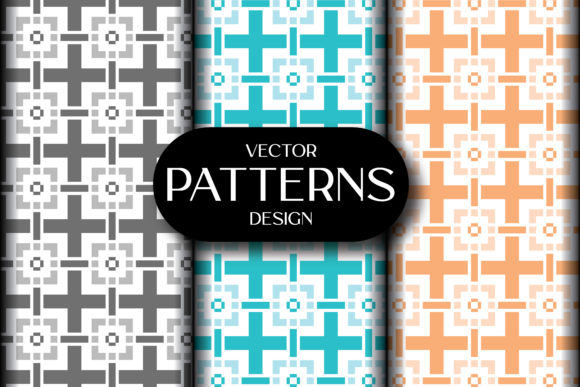
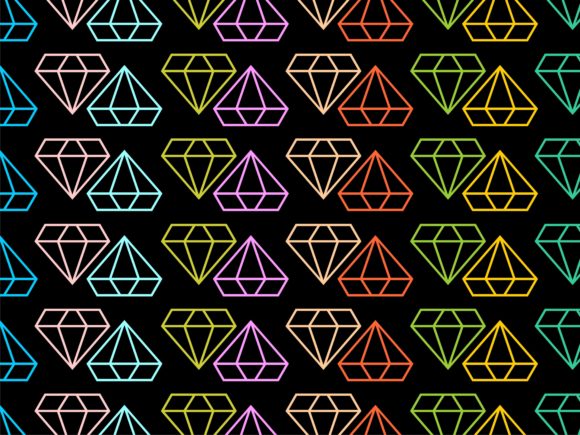
Diamond Patterns are a type of geometric pattern that uses repeating rhombus shapes to create intricate and visually engaging textures. These patterns can be simple or complex, depending on the design intent, and often incorporate elements like lines, triangles, and gradients to add depth and dimension. The term "diamond" refers to the shape of each individual unit, which resembles a rhombus—a four-sided figure with equal sides but angles that are not necessarily 90 degrees.
The appeal of Diamond Patterns lies in their ability to balance structure and creativity. They can be used as backgrounds, textures, or decorative elements, making them suitable for a wide range of applications. Whether you're designing a website, creating a digital illustration, or developing a printable template, Diamond Patterns provide a flexible and modern foundation that can be customized to fit any project.
Diamond Patterns in the Broader Creative Landscape
The growing interest in Diamond Patterns reflects broader trends in the design industry, where minimalism, modernity, and simplicity are increasingly valued. As consumers and businesses seek clean, professional, and visually appealing content, designers are turning to geometric patterns like Diamonds to achieve these goals. This trend is particularly evident in the digital and web design sectors, where seamless and repeatable patterns are essential for maintaining consistency across platforms.
Moreover, the rise of remote work and freelance design has increased the demand for high-quality, ready-to-use design assets. Diamond Patterns, available in multiple file formats, cater to this need by offering flexibility and ease of use. For instance, a designer working on a branding project can quickly integrate a Diamond Pattern into a business card, website header, or social media banner, ensuring a cohesive and professional look across all touchpoints.
Why Diamond Patterns Are Gaining Attention
There are several reasons why Diamond Patterns are capturing the attention of professionals and enthusiasts alike. One key factor is their versatility. Unlike more rigid or specific design elements, Diamond Patterns can be adapted to suit different styles, color schemes, and mediums. This makes them ideal for both monochrome and colorful designs, as well as textured and flat aesthetics.
Another reason for their popularity is their visual impact. When used effectively, Diamond Patterns can add a sense of movement, rhythm, and sophistication to any design. They are especially effective when paired with black and white color palettes, creating a striking contrast that draws the eye. Additionally, the repetitive nature of the pattern allows for a sense of order and balance, which is highly valued in both graphic design and interior decor.
Furthermore, the increasing focus on sustainability and eco-friendly design has also contributed to the appeal of Diamond Patterns. Many designers are using these patterns to create paper-based or printable designs that minimize waste and promote reusability. For example, a DIY enthusiast might use a Diamond Pattern as a template for creating custom wallpaper or fabric, reducing the need for mass-produced materials.
Practical Applications of Diamond Patterns
One of the most compelling aspects of Diamond Patterns is their wide range of practical applications. From digital marketing to product packaging, these patterns can be integrated into various projects to enhance visual appeal and functionality.
- Web Design: Diamond Patterns are often used as backgrounds for websites, providing a subtle yet elegant backdrop that complements other design elements. Their seamless and repeatable nature ensures that they look consistent across different screen sizes and resolutions.
- Print Media: In print design, Diamond Patterns can be used for brochures, posters, and magazines. Their high-resolution 300 dpi quality ensures that they remain sharp and clear, even when printed at large sizes.
- Textile Design: Fashion and home décor industries frequently use Diamond Patterns to create fabrics, quilts, and carpets. These patterns add a sense of texture and visual interest, making them ideal for both casual and luxury products.
- Graphic Illustration: Artists and illustrators use Diamond Patterns to create abstract or geometric artwork. The patterns can be combined with other elements like lines, shapes, and colors to produce unique and dynamic compositions.
Connecting Diamond Patterns to Larger Trends
The popularity of Diamond Patterns is closely tied to broader developments in the design and technology industries. As digital tools become more advanced, designers have greater freedom to experiment with complex patterns and textures. This has led to a renewed interest in geometric and abstract design elements, including Diamond Patterns.
Additionally, the shift towards personalization and customization in consumer markets has made it more important for brands to stand out with unique and memorable visual identities. Diamond Patterns offer a way to achieve this without sacrificing professionalism or clarity. By incorporating these patterns into their branding, companies can create a distinctive and modern image that resonates with today’s audiences.
Finally, the rise of retro and nostalgic aesthetics has also contributed to the resurgence of Diamond Patterns. Many designers are drawing inspiration from past eras, such as the 1960s and 1970s, when geometric patterns were a popular design choice. By reinterpreting these classic patterns through a modern lens, designers can create work that feels both familiar and fresh.
Conclusion
Diamond Patterns represent more than just a design trend—they are a powerful and adaptable tool that can enhance a wide range of creative projects. Whether you're a designer, entrepreneur, or digital marketer, understanding how to use these patterns effectively can help you create more engaging and professional visual content. With the availability of high-quality files in multiple formats, including EPS, PNG, SVG, and transparent backgrounds, there has never been a better time to explore the potential of Diamond Patterns. As the design industry continues to evolve, these patterns will likely remain a relevant and valuable asset for professionals seeking to stay ahead of the curve.